Jupigio-Artwork-Gallery
Wickedly Dark Art


Wickedly Dark Art by Jupigio – Contemporary Art from Wales
Taking art beyond the canvas - a new era of expression
Welcome to the online home of Julia O'Sullivan's Jupigio Artwork Gallery, where artistry and imagination converge to create a captivating journey through paintings, sculptures, and literature.
Here, you'll discover a diverse array of subjects brought to life by Julia's unique vision and creative flair. From biblical revelations to the raw emotion of human expression, each piece offers a glimpse into the rich tapestry of life.
So take a moment to immerse yourself in the stories waiting to be told and the worlds waiting to be discovered. Whether you're a seasoned art enthusiast or simply a curious explorer, there's something here for everyone. Welcome to Julia O'Sullivan's artistic universe—where inspiration knows no bounds.
Featured video on Anxiety - Mental Health Art
Welcome to Julia O’Sullivan’s Jupigio Artwork Gallery
Step into the vibrant world of Julia O’Sullivan, where bold colours, sharp lines, and dramatic compositions bring contemporary art to life. Using an earthy palette saturated with rich hues, Julia creates pieces that contrast chaos with precision, captivating the imagination and inviting viewers into a world of dynamic storytelling through visual art.
Explore Julia’s Artistic Vision
Julia’s paintings begin as an explosion of chaos and are gradually refined into works of perfect precision. Each artwork is a journey—full of tension, emotion, and bold visual narratives that challenge and delight.
A great way to understand her process is through her acclaimed “The Great Welsh Dragon”:
-
Download The Great Welsh Dragon eBook
-
Order the printed book from Blurb – high-quality printing and rich illustrations. Please read Blurb’s terms carefully; Julia is responsible for content only.
Browse the Artwork Catalogue
Discover Julia’s full range of artwork in her downloadable catalogue:
-
Catalogue eBook
Shop Limited Edition Prints
Bring Julia’s artwork into your home with high-quality limited edition prints, produced and shipped by The Printspace. Each print is professionally checked for colour accuracy and sharpness, and is best viewed on a Mac for optimal colour matching.
-
Shop Prints Now – read details, browse paintings, and order with confidence.
Art Blogs and In-Depth Stories
Learn more about each artwork’s inspiration and narrative on Julia’s Art Blog:
-
Mythology
-
Fairy tales
-
Seven Deadly Sins series
Exceptional Sculptural Works
Explore some of Julia’s standout sculptural projects:
-
The Book of Revelation – I am the Alpha and the Omega
-
Dante’s Inferno – A Journey Through Hell
-
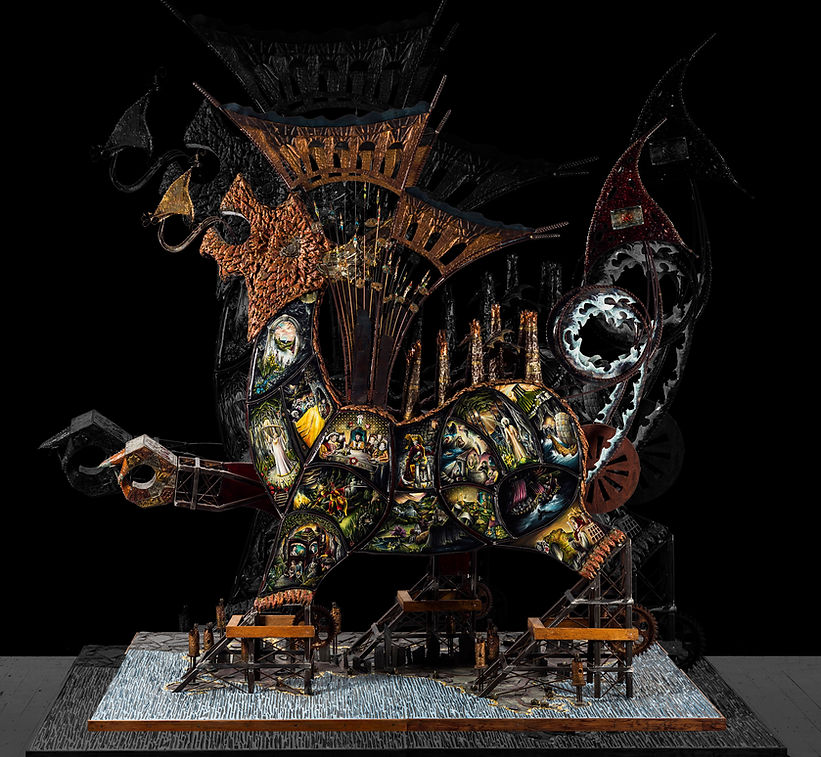
Emrys – The Great Welsh Dragon
Upcoming Projects for 2026
Julia’s next major project: “Sinners” – seven paintings exploring the Seven Deadly Sins and the raw, wickedly ugly world of human emotion.
-
OwnYourSin® – Embrace Your Sin Collection: Discover playful and provocative T-shirt designs inspired by the Seven Deadly Sins. Own a piece of wickedly fun wearable art.
Why Julia’s Artwork Stands Out
-
Contemporary art with bold, vivid colours and sharp precision
-
A mix of painting, sculpture, and narrative storytelling
-
Collectible limited edition prints and books
-
Deep explorations of mythology, fairy tales, and human emotion
Join me on social media.
-
Whether you prefer light-hearted subjects or delve into deeper themes, there's something here for every taste and sensibility.
-
Ready to bring a piece of my artistry into your home? Explore my site and immerse yourself in a world of wonder.
-
Looking for something more personalised or interested in hiring my artwork? Contact me to discuss your ideas and let's bring your vision to life together.
-
Check out my tribute to Mental Health in the showcase gallery below:
Mental Health conditions - raising awareness through art.
Jupigio Artwork presents
'Fragments of Self'
Seven sculpted heads exploring the hidden truths of mental health.A tribute to the complexity and resilience behind seven distinct conditions.

The sculpted head features mathematical equations representing the search for order in a chaotic world, while butterflies evoke the Chaos Theory—symbolizing transformation, growth, and the simultaneous beauty and fear inherent in change. Copper rods etched with phrases illustrate how anxious thoughts distort meaning, highlighting rumination and the cyclical nature of worry.
Inside the head, a labyrinth of words and phrases creates a “rabbit hole” effect, conveying the overwhelming flood of thoughts and emotions that characterize anxiety. This intricate internal design gives viewers an empathetic insight into the mental and emotional complexity of the condition.
Ideal for collectors of contemporary symbolic art, mental health advocates, or anyone seeking artwork that sparks reflection and conversation, this sculpture transforms any space into a thought-provoking exploration of resilience, fear, and the human mind.

The dual-head design represents the layered nature of depression. One face wears a mask — symbolising the façade many maintain while battling internal turmoil. Beneath the surface, beauty is consumed by darkness, capturing how depression can suffocate joy, distort self-worth, and silence potential.
The second head reveals a caged mind set against an open sky — a powerful metaphor for feeling trapped while longing for freedom. This contrast speaks to the invisible confinement that so often accompanies mental illness.
More than a sculpture, this piece is a conversation starter. It brings awareness to mental health, honours resilience, and invites empathy into any space it inhabits.
Ideal for collectors of meaningful contemporary art, mental health advocates, or anyone drawn to powerful symbolic sculpture.

The sculpted head represents the slow fading of the mind. Its imagery reflects regression into childhood — a poignant reminder of how dementia can strip away rational thought, mature identity, and lived experience, leaving behind fragments of a once vibrant personality. The work highlights the tragic irony of the illness: while it may return someone to childlike vulnerability, it simultaneously erases the richness of their adult life.
The visual metaphor of lights switching off within the mind symbolises the month-by-month fading that many families witness. This powerful imagery reflects how dementia affects not only the individual but also loved ones who experience the gradual loss of the person they once knew.
Elements of hollowness within the sculpture evoke the vacant shell often associated with advanced cognitive decline. The piece also acknowledges behavioural changes — the loss of inhibitions and shifts in personality — encouraging compassionate understanding of the complex realities of living with dementia.
More than a sculpture, this is a meaningful statement piece for collectors of contemporary symbolic art, dementia awareness advocates, and families personally touched by memory loss. It honours my father’s life — his integrity, humour, and love — while raising awareness of the emotional impact of dementia.

The sculpted head encircled by claws vividly conveys the grasp of addiction, illustrating how individuals can feel pulled into the darker aspects of their condition. Inside the head, intricate pathways lead toward the light, symbolizing the challenging, often frustrating journey toward recovery. Chains connecting the head to the base emphasize the heavy burden and inescapable nature of addiction, reflecting the profound impact it has on mind, body, and spirit.
This addiction awareness sculpture serves as a conversation starter and a meaningful statement piece. It highlights the dual nature of addiction—the fleeting euphoria contrasted with the reality of entrapment and self-destruction—while encouraging empathy, understanding, and hope. Ideal for collectors of symbolic contemporary art, mental health advocates, and anyone touched by addiction, this artwork transforms any space into a place of reflection and awareness.

The exterior of the sculpted head captures visual hallucinations, vividly representing the chaotic and often overwhelming experiences associated with the condition. These striking visual elements serve as both a literal and metaphorical depiction of the distress that schizophrenia can bring, inviting viewers to engage with the often-hidden realities of mental illness.
Inside the head, auditory hallucinations are portrayed through intricate internal design, symbolizing the tormenting voices that individuals may experience. The sculpture reflects the emotional weight, internal conflict, and anguish of living with schizophrenia, offering a tangible, empathetic insight into these profound struggles.
Ideal for collectors of symbolic contemporary art, mental health advocates, or anyone seeking artwork that sparks conversation and fosters understanding, this sculpture transforms any space into a reflection on the human mind, resilience, and empathy.

The exterior of the head illustrates the multifaceted nature of identity, highlighting the protective and adaptive roles that these distinct personas play. Each figure demonstrates the resilience required to survive and thrive despite severe emotional and psychological challenges.
Inside the head, the sculpture represents the underlying trauma—sexual, psychological, and physical—that often gives rise to DID. This powerful internal imagery underscores the realities of coping with complex trauma, providing viewers with insight into the root causes of identity fragmentation and the protective functions of multiple personas.
Ideal for collectors of meaningful contemporary art, mental health advocates, and anyone seeking symbolic artworks that spark conversation and foster empathy, this sculpture transforms any space into a reflection on human resilience, trauma, and the power of survival.

The mirrored dual-head design captures the stark contrast between mania and depression. The manic head bursts with vibrant, circus-like energy, illustrating the exhilaration, creativity, and intensity often felt during elevated moods. In contrast, the depressive head reflects darkness, despair, and emotional turmoil, portraying the profound lows that can accompany the illness.
The “push me, pull you” concept, where one head emerges from the other, symbolizes the inextricable link between these opposing emotional states and the internal struggle of navigating life with bipolar disorder. This striking visual metaphor communicates the cyclical nature of the condition and the challenge of finding stability amidst extreme mood fluctuations.
Ideal for collectors of meaningful contemporary art, mental health advocates, or anyone seeking artwork that sparks conversation, this sculpture transforms any space into a reflection on resilience, empathy, and the complexity of the human mind.

The sculpted head features mathematical equations representing the search for order in a chaotic world, while butterflies evoke the Chaos Theory—symbolizing transformation, growth, and the simultaneous beauty and fear inherent in change. Copper rods etched with phrases illustrate how anxious thoughts distort meaning, highlighting rumination and the cyclical nature of worry.
Inside the head, a labyrinth of words and phrases creates a “rabbit hole” effect, conveying the overwhelming flood of thoughts and emotions that characterize anxiety. This intricate internal design gives viewers an empathetic insight into the mental and emotional complexity of the condition.
Ideal for collectors of contemporary symbolic art, mental health advocates, or anyone seeking artwork that sparks reflection and conversation, this sculpture transforms any space into a thought-provoking exploration of resilience, fear, and the human mind.

The dual-head design represents the layered nature of depression. One face wears a mask — symbolising the façade many maintain while battling internal turmoil. Beneath the surface, beauty is consumed by darkness, capturing how depression can suffocate joy, distort self-worth, and silence potential.
The second head reveals a caged mind set against an open sky — a powerful metaphor for feeling trapped while longing for freedom. This contrast speaks to the invisible confinement that so often accompanies mental illness.
More than a sculpture, this piece is a conversation starter. It brings awareness to mental health, honours resilience, and invites empathy into any space it inhabits.
Ideal for collectors of meaningful contemporary art, mental health advocates, or anyone drawn to powerful symbolic sculpture.

The sculpted head represents the slow fading of the mind. Its imagery reflects regression into childhood — a poignant reminder of how dementia can strip away rational thought, mature identity, and lived experience, leaving behind fragments of a once vibrant personality. The work highlights the tragic irony of the illness: while it may return someone to childlike vulnerability, it simultaneously erases the richness of their adult life.
The visual metaphor of lights switching off within the mind symbolises the month-by-month fading that many families witness. This powerful imagery reflects how dementia affects not only the individual but also loved ones who experience the gradual loss of the person they once knew.
Elements of hollowness within the sculpture evoke the vacant shell often associated with advanced cognitive decline. The piece also acknowledges behavioural changes — the loss of inhibitions and shifts in personality — encouraging compassionate understanding of the complex realities of living with dementia.
More than a sculpture, this is a meaningful statement piece for collectors of contemporary symbolic art, dementia awareness advocates, and families personally touched by memory loss. It honours my father’s life — his integrity, humour, and love — while raising awareness of the emotional impact of dementia.

The sculpted head encircled by claws vividly conveys the grasp of addiction, illustrating how individuals can feel pulled into the darker aspects of their condition. Inside the head, intricate pathways lead toward the light, symbolizing the challenging, often frustrating journey toward recovery. Chains connecting the head to the base emphasize the heavy burden and inescapable nature of addiction, reflecting the profound impact it has on mind, body, and spirit.
This addiction awareness sculpture serves as a conversation starter and a meaningful statement piece. It highlights the dual nature of addiction—the fleeting euphoria contrasted with the reality of entrapment and self-destruction—while encouraging empathy, understanding, and hope. Ideal for collectors of symbolic contemporary art, mental health advocates, and anyone touched by addiction, this artwork transforms any space into a place of reflection and awareness.

The exterior of the sculpted head captures visual hallucinations, vividly representing the chaotic and often overwhelming experiences associated with the condition. These striking visual elements serve as both a literal and metaphorical depiction of the distress that schizophrenia can bring, inviting viewers to engage with the often-hidden realities of mental illness.
Inside the head, auditory hallucinations are portrayed through intricate internal design, symbolizing the tormenting voices that individuals may experience. The sculpture reflects the emotional weight, internal conflict, and anguish of living with schizophrenia, offering a tangible, empathetic insight into these profound struggles.
Ideal for collectors of symbolic contemporary art, mental health advocates, or anyone seeking artwork that sparks conversation and fosters understanding, this sculpture transforms any space into a reflection on the human mind, resilience, and empathy.

The exterior of the head illustrates the multifaceted nature of identity, highlighting the protective and adaptive roles that these distinct personas play. Each figure demonstrates the resilience required to survive and thrive despite severe emotional and psychological challenges.
Inside the head, the sculpture represents the underlying trauma—sexual, psychological, and physical—that often gives rise to DID. This powerful internal imagery underscores the realities of coping with complex trauma, providing viewers with insight into the root causes of identity fragmentation and the protective functions of multiple personas.
Ideal for collectors of meaningful contemporary art, mental health advocates, and anyone seeking symbolic artworks that spark conversation and foster empathy, this sculpture transforms any space into a reflection on human resilience, trauma, and the power of survival.

The mirrored dual-head design captures the stark contrast between mania and depression. The manic head bursts with vibrant, circus-like energy, illustrating the exhilaration, creativity, and intensity often felt during elevated moods. In contrast, the depressive head reflects darkness, despair, and emotional turmoil, portraying the profound lows that can accompany the illness.
The “push me, pull you” concept, where one head emerges from the other, symbolizes the inextricable link between these opposing emotional states and the internal struggle of navigating life with bipolar disorder. This striking visual metaphor communicates the cyclical nature of the condition and the challenge of finding stability amidst extreme mood fluctuations.
Ideal for collectors of meaningful contemporary art, mental health advocates, or anyone seeking artwork that sparks conversation, this sculpture transforms any space into a reflection on resilience, empathy, and the complexity of the human mind.

The sculpted head features mathematical equations representing the search for order in a chaotic world, while butterflies evoke the Chaos Theory—symbolizing transformation, growth, and the simultaneous beauty and fear inherent in change. Copper rods etched with phrases illustrate how anxious thoughts distort meaning, highlighting rumination and the cyclical nature of worry.
Inside the head, a labyrinth of words and phrases creates a “rabbit hole” effect, conveying the overwhelming flood of thoughts and emotions that characterize anxiety. This intricate internal design gives viewers an empathetic insight into the mental and emotional complexity of the condition.
Ideal for collectors of contemporary symbolic art, mental health advocates, or anyone seeking artwork that sparks reflection and conversation, this sculpture transforms any space into a thought-provoking exploration of resilience, fear, and the human mind.

The dual-head design represents the layered nature of depression. One face wears a mask — symbolising the façade many maintain while battling internal turmoil. Beneath the surface, beauty is consumed by darkness, capturing how depression can suffocate joy, distort self-worth, and silence potential.
The second head reveals a caged mind set against an open sky — a powerful metaphor for feeling trapped while longing for freedom. This contrast speaks to the invisible confinement that so often accompanies mental illness.
More than a sculpture, this piece is a conversation starter. It brings awareness to mental health, honours resilience, and invites empathy into any space it inhabits.
Ideal for collectors of meaningful contemporary art, mental health advocates, or anyone drawn to powerful symbolic sculpture.

The sculpted head represents the slow fading of the mind. Its imagery reflects regression into childhood — a poignant reminder of how dementia can strip away rational thought, mature identity, and lived experience, leaving behind fragments of a once vibrant personality. The work highlights the tragic irony of the illness: while it may return someone to childlike vulnerability, it simultaneously erases the richness of their adult life.
The visual metaphor of lights switching off within the mind symbolises the month-by-month fading that many families witness. This powerful imagery reflects how dementia affects not only the individual but also loved ones who experience the gradual loss of the person they once knew.
Elements of hollowness within the sculpture evoke the vacant shell often associated with advanced cognitive decline. The piece also acknowledges behavioural changes — the loss of inhibitions and shifts in personality — encouraging compassionate understanding of the complex realities of living with dementia.
More than a sculpture, this is a meaningful statement piece for collectors of contemporary symbolic art, dementia awareness advocates, and families personally touched by memory loss. It honours my father’s life — his integrity, humour, and love — while raising awareness of the emotional impact of dementia.

The sculpted head encircled by claws vividly conveys the grasp of addiction, illustrating how individuals can feel pulled into the darker aspects of their condition. Inside the head, intricate pathways lead toward the light, symbolizing the challenging, often frustrating journey toward recovery. Chains connecting the head to the base emphasize the heavy burden and inescapable nature of addiction, reflecting the profound impact it has on mind, body, and spirit.
This addiction awareness sculpture serves as a conversation starter and a meaningful statement piece. It highlights the dual nature of addiction—the fleeting euphoria contrasted with the reality of entrapment and self-destruction—while encouraging empathy, understanding, and hope. Ideal for collectors of symbolic contemporary art, mental health advocates, and anyone touched by addiction, this artwork transforms any space into a place of reflection and awareness.

The exterior of the sculpted head captures visual hallucinations, vividly representing the chaotic and often overwhelming experiences associated with the condition. These striking visual elements serve as both a literal and metaphorical depiction of the distress that schizophrenia can bring, inviting viewers to engage with the often-hidden realities of mental illness.
Inside the head, auditory hallucinations are portrayed through intricate internal design, symbolizing the tormenting voices that individuals may experience. The sculpture reflects the emotional weight, internal conflict, and anguish of living with schizophrenia, offering a tangible, empathetic insight into these profound struggles.
Ideal for collectors of symbolic contemporary art, mental health advocates, or anyone seeking artwork that sparks conversation and fosters understanding, this sculpture transforms any space into a reflection on the human mind, resilience, and empathy.

The exterior of the head illustrates the multifaceted nature of identity, highlighting the protective and adaptive roles that these distinct personas play. Each figure demonstrates the resilience required to survive and thrive despite severe emotional and psychological challenges.
Inside the head, the sculpture represents the underlying trauma—sexual, psychological, and physical—that often gives rise to DID. This powerful internal imagery underscores the realities of coping with complex trauma, providing viewers with insight into the root causes of identity fragmentation and the protective functions of multiple personas.
Ideal for collectors of meaningful contemporary art, mental health advocates, and anyone seeking symbolic artworks that spark conversation and foster empathy, this sculpture transforms any space into a reflection on human resilience, trauma, and the power of survival.

The mirrored dual-head design captures the stark contrast between mania and depression. The manic head bursts with vibrant, circus-like energy, illustrating the exhilaration, creativity, and intensity often felt during elevated moods. In contrast, the depressive head reflects darkness, despair, and emotional turmoil, portraying the profound lows that can accompany the illness.
The “push me, pull you” concept, where one head emerges from the other, symbolizes the inextricable link between these opposing emotional states and the internal struggle of navigating life with bipolar disorder. This striking visual metaphor communicates the cyclical nature of the condition and the challenge of finding stability amidst extreme mood fluctuations.
Ideal for collectors of meaningful contemporary art, mental health advocates, or anyone seeking artwork that sparks conversation, this sculpture transforms any space into a reflection on resilience, empathy, and the complexity of the human mind.

The sculpted head features mathematical equations representing the search for order in a chaotic world, while butterflies evoke the Chaos Theory—symbolizing transformation, growth, and the simultaneous beauty and fear inherent in change. Copper rods etched with phrases illustrate how anxious thoughts distort meaning, highlighting rumination and the cyclical nature of worry.
Inside the head, a labyrinth of words and phrases creates a “rabbit hole” effect, conveying the overwhelming flood of thoughts and emotions that characterize anxiety. This intricate internal design gives viewers an empathetic insight into the mental and emotional complexity of the condition.
Ideal for collectors of contemporary symbolic art, mental health advocates, or anyone seeking artwork that sparks reflection and conversation, this sculpture transforms any space into a thought-provoking exploration of resilience, fear, and the human mind.

The dual-head design represents the layered nature of depression. One face wears a mask — symbolising the façade many maintain while battling internal turmoil. Beneath the surface, beauty is consumed by darkness, capturing how depression can suffocate joy, distort self-worth, and silence potential.
The second head reveals a caged mind set against an open sky — a powerful metaphor for feeling trapped while longing for freedom. This contrast speaks to the invisible confinement that so often accompanies mental illness.
More than a sculpture, this piece is a conversation starter. It brings awareness to mental health, honours resilience, and invites empathy into any space it inhabits.
Ideal for collectors of meaningful contemporary art, mental health advocates, or anyone drawn to powerful symbolic sculpture.

The sculpted head represents the slow fading of the mind. Its imagery reflects regression into childhood — a poignant reminder of how dementia can strip away rational thought, mature identity, and lived experience, leaving behind fragments of a once vibrant personality. The work highlights the tragic irony of the illness: while it may return someone to childlike vulnerability, it simultaneously erases the richness of their adult life.
The visual metaphor of lights switching off within the mind symbolises the month-by-month fading that many families witness. This powerful imagery reflects how dementia affects not only the individual but also loved ones who experience the gradual loss of the person they once knew.
Elements of hollowness within the sculpture evoke the vacant shell often associated with advanced cognitive decline. The piece also acknowledges behavioural changes — the loss of inhibitions and shifts in personality — encouraging compassionate understanding of the complex realities of living with dementia.
More than a sculpture, this is a meaningful statement piece for collectors of contemporary symbolic art, dementia awareness advocates, and families personally touched by memory loss. It honours my father’s life — his integrity, humour, and love — while raising awareness of the emotional impact of dementia.

The sculpted head encircled by claws vividly conveys the grasp of addiction, illustrating how individuals can feel pulled into the darker aspects of their condition. Inside the head, intricate pathways lead toward the light, symbolizing the challenging, often frustrating journey toward recovery. Chains connecting the head to the base emphasize the heavy burden and inescapable nature of addiction, reflecting the profound impact it has on mind, body, and spirit.
This addiction awareness sculpture serves as a conversation starter and a meaningful statement piece. It highlights the dual nature of addiction—the fleeting euphoria contrasted with the reality of entrapment and self-destruction—while encouraging empathy, understanding, and hope. Ideal for collectors of symbolic contemporary art, mental health advocates, and anyone touched by addiction, this artwork transforms any space into a place of reflection and awareness.

The exterior of the sculpted head captures visual hallucinations, vividly representing the chaotic and often overwhelming experiences associated with the condition. These striking visual elements serve as both a literal and metaphorical depiction of the distress that schizophrenia can bring, inviting viewers to engage with the often-hidden realities of mental illness.
Inside the head, auditory hallucinations are portrayed through intricate internal design, symbolizing the tormenting voices that individuals may experience. The sculpture reflects the emotional weight, internal conflict, and anguish of living with schizophrenia, offering a tangible, empathetic insight into these profound struggles.
Ideal for collectors of symbolic contemporary art, mental health advocates, or anyone seeking artwork that sparks conversation and fosters understanding, this sculpture transforms any space into a reflection on the human mind, resilience, and empathy.

The exterior of the head illustrates the multifaceted nature of identity, highlighting the protective and adaptive roles that these distinct personas play. Each figure demonstrates the resilience required to survive and thrive despite severe emotional and psychological challenges.
Inside the head, the sculpture represents the underlying trauma—sexual, psychological, and physical—that often gives rise to DID. This powerful internal imagery underscores the realities of coping with complex trauma, providing viewers with insight into the root causes of identity fragmentation and the protective functions of multiple personas.
Ideal for collectors of meaningful contemporary art, mental health advocates, and anyone seeking symbolic artworks that spark conversation and foster empathy, this sculpture transforms any space into a reflection on human resilience, trauma, and the power of survival.

The mirrored dual-head design captures the stark contrast between mania and depression. The manic head bursts with vibrant, circus-like energy, illustrating the exhilaration, creativity, and intensity often felt during elevated moods. In contrast, the depressive head reflects darkness, despair, and emotional turmoil, portraying the profound lows that can accompany the illness.
The “push me, pull you” concept, where one head emerges from the other, symbolizes the inextricable link between these opposing emotional states and the internal struggle of navigating life with bipolar disorder. This striking visual metaphor communicates the cyclical nature of the condition and the challenge of finding stability amidst extreme mood fluctuations.
Ideal for collectors of meaningful contemporary art, mental health advocates, or anyone seeking artwork that sparks conversation, this sculpture transforms any space into a reflection on resilience, empathy, and the complexity of the human mind.

The sculpted head features mathematical equations representing the search for order in a chaotic world, while butterflies evoke the Chaos Theory—symbolizing transformation, growth, and the simultaneous beauty and fear inherent in change. Copper rods etched with phrases illustrate how anxious thoughts distort meaning, highlighting rumination and the cyclical nature of worry.
Inside the head, a labyrinth of words and phrases creates a “rabbit hole” effect, conveying the overwhelming flood of thoughts and emotions that characterize anxiety. This intricate internal design gives viewers an empathetic insight into the mental and emotional complexity of the condition.
Ideal for collectors of contemporary symbolic art, mental health advocates, or anyone seeking artwork that sparks reflection and conversation, this sculpture transforms any space into a thought-provoking exploration of resilience, fear, and the human mind.

The dual-head design represents the layered nature of depression. One face wears a mask — symbolising the façade many maintain while battling internal turmoil. Beneath the surface, beauty is consumed by darkness, capturing how depression can suffocate joy, distort self-worth, and silence potential.
The second head reveals a caged mind set against an open sky — a powerful metaphor for feeling trapped while longing for freedom. This contrast speaks to the invisible confinement that so often accompanies mental illness.
More than a sculpture, this piece is a conversation starter. It brings awareness to mental health, honours resilience, and invites empathy into any space it inhabits.
Ideal for collectors of meaningful contemporary art, mental health advocates, or anyone drawn to powerful symbolic sculpture.

The sculpted head represents the slow fading of the mind. Its imagery reflects regression into childhood — a poignant reminder of how dementia can strip away rational thought, mature identity, and lived experience, leaving behind fragments of a once vibrant personality. The work highlights the tragic irony of the illness: while it may return someone to childlike vulnerability, it simultaneously erases the richness of their adult life.
The visual metaphor of lights switching off within the mind symbolises the month-by-month fading that many families witness. This powerful imagery reflects how dementia affects not only the individual but also loved ones who experience the gradual loss of the person they once knew.
Elements of hollowness within the sculpture evoke the vacant shell often associated with advanced cognitive decline. The piece also acknowledges behavioural changes — the loss of inhibitions and shifts in personality — encouraging compassionate understanding of the complex realities of living with dementia.
More than a sculpture, this is a meaningful statement piece for collectors of contemporary symbolic art, dementia awareness advocates, and families personally touched by memory loss. It honours my father’s life — his integrity, humour, and love — while raising awareness of the emotional impact of dementia.

The sculpted head encircled by claws vividly conveys the grasp of addiction, illustrating how individuals can feel pulled into the darker aspects of their condition. Inside the head, intricate pathways lead toward the light, symbolizing the challenging, often frustrating journey toward recovery. Chains connecting the head to the base emphasize the heavy burden and inescapable nature of addiction, reflecting the profound impact it has on mind, body, and spirit.
This addiction awareness sculpture serves as a conversation starter and a meaningful statement piece. It highlights the dual nature of addiction—the fleeting euphoria contrasted with the reality of entrapment and self-destruction—while encouraging empathy, understanding, and hope. Ideal for collectors of symbolic contemporary art, mental health advocates, and anyone touched by addiction, this artwork transforms any space into a place of reflection and awareness.

The exterior of the sculpted head captures visual hallucinations, vividly representing the chaotic and often overwhelming experiences associated with the condition. These striking visual elements serve as both a literal and metaphorical depiction of the distress that schizophrenia can bring, inviting viewers to engage with the often-hidden realities of mental illness.
Inside the head, auditory hallucinations are portrayed through intricate internal design, symbolizing the tormenting voices that individuals may experience. The sculpture reflects the emotional weight, internal conflict, and anguish of living with schizophrenia, offering a tangible, empathetic insight into these profound struggles.
Ideal for collectors of symbolic contemporary art, mental health advocates, or anyone seeking artwork that sparks conversation and fosters understanding, this sculpture transforms any space into a reflection on the human mind, resilience, and empathy.

The exterior of the head illustrates the multifaceted nature of identity, highlighting the protective and adaptive roles that these distinct personas play. Each figure demonstrates the resilience required to survive and thrive despite severe emotional and psychological challenges.
Inside the head, the sculpture represents the underlying trauma—sexual, psychological, and physical—that often gives rise to DID. This powerful internal imagery underscores the realities of coping with complex trauma, providing viewers with insight into the root causes of identity fragmentation and the protective functions of multiple personas.
Ideal for collectors of meaningful contemporary art, mental health advocates, and anyone seeking symbolic artworks that spark conversation and foster empathy, this sculpture transforms any space into a reflection on human resilience, trauma, and the power of survival.

The mirrored dual-head design captures the stark contrast between mania and depression. The manic head bursts with vibrant, circus-like energy, illustrating the exhilaration, creativity, and intensity often felt during elevated moods. In contrast, the depressive head reflects darkness, despair, and emotional turmoil, portraying the profound lows that can accompany the illness.
The “push me, pull you” concept, where one head emerges from the other, symbolizes the inextricable link between these opposing emotional states and the internal struggle of navigating life with bipolar disorder. This striking visual metaphor communicates the cyclical nature of the condition and the challenge of finding stability amidst extreme mood fluctuations.
Ideal for collectors of meaningful contemporary art, mental health advocates, or anyone seeking artwork that sparks conversation, this sculpture transforms any space into a reflection on resilience, empathy, and the complexity of the human mind.